Health and safety risks of hoarding: mold, pests, air quality and structural hazards
By Amara Whitfield · Updated 2026-06-18
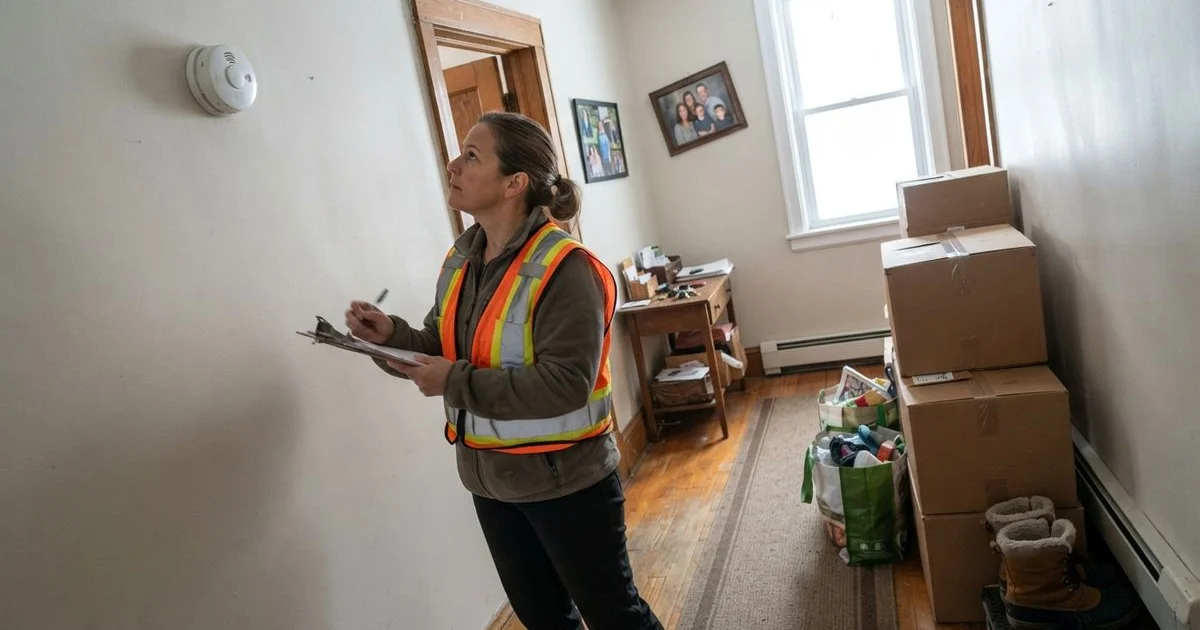
Clutter on its own is not automatically dangerous, but past a certain point, a hoarded home can develop real health and safety risks that go beyond the obvious mess. Knowing what to actually watch for helps you tell a lifestyle issue apart from something that needs faster attention.
This is general safety information, not a medical or structural assessment. If you are concerned about a specific property, a qualified inspector or healthcare provider can assess the actual conditions.
Air quality and respiratory concerns
Reduced airflow is one of the most common issues in cluttered homes. Stacked items block ventilation, trap dust, and can create conditions where mold and mildew take hold, particularly near walls, windows, or areas with any moisture exposure. Over time, this can affect indoor air quality enough to cause or worsen respiratory symptoms for people living there, especially anyone with asthma or allergies.
Pest activity is closely related. Clutter provides hiding spots and, in kitchens or food storage areas, potential food sources, which can lead to infestations that further affect air quality and hygiene.
Dust accumulation deserves its own mention too. In a heavily cluttered home, surfaces that would normally get regular attention go untouched for long stretches, and dust builds up in ways that can aggravate allergies and respiratory conditions well before mold becomes a factor.
Structural and physical hazards
In severe or long-term cases, the sheer weight of accumulated belongings can put real strain on flooring and joists, particularly in older homes. This is not typical of lighter clutter, but it is a genuine concern in extreme cases where rooms are packed floor to ceiling for extended periods.
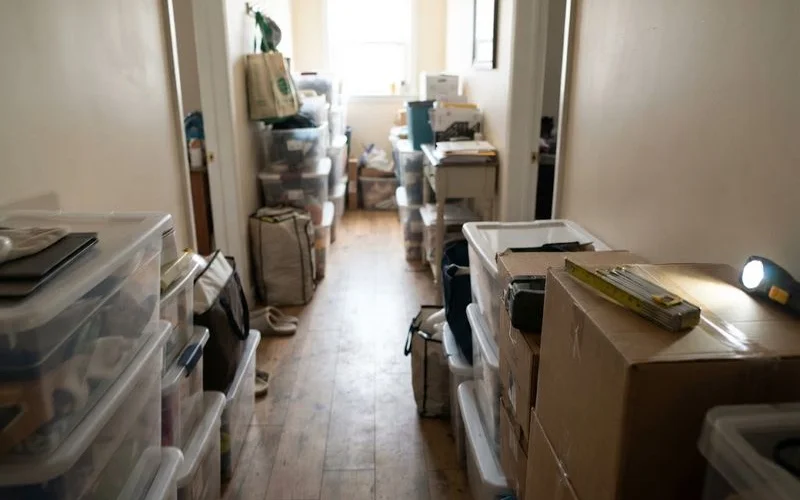
Blocked pathways and exits are usually the most pressing safety issue day to day. In an emergency, a fire or a fall, a blocked exit or an unreachable bathroom can turn a manageable situation into a dangerous one quickly. This is often the first thing a safety-focused assessment checks, ahead of anything cosmetic.
| Hazard type | What to look for | Why it matters |
|---|---|---|
| Air quality | Musty smell, visible mold, poor ventilation | Can affect respiratory health over time |
| Pests | Droppings, nesting material, unusual odour | Health risk and sign of hygiene concerns |
| Structural | Sagging floors, doors that stick, visible strain | Rare but serious in extreme, long-term cases |
| Blocked exits | Furniture or items obstructing doors and hallways | Immediate fire and emergency safety risk |
What tends to make a situation more urgent
A few conditions push a cluttered home from a lifestyle concern toward something that needs quicker attention: blocked exits, exposed electrical hazards near stacked items, active pest infestations, or visible mold in living areas. If any of these describe a property you are worried about, it is worth moving faster than you might for clutter alone.
Fire risk deserves particular attention, since it combines several hazards at once. Stacked paper, fabric, or other flammable material near heat sources or electrical outlets, combined with blocked exits, creates a situation where a small fire could become very difficult to escape or contain. This combination is one of the more common reasons fire departments and municipalities get involved in severe cases.
Getting a professional read on the situation
For anything beyond light clutter, a professional walkthrough is genuinely useful, since someone living in a space day to day often stops noticing conditions that have built up gradually. Biohazard and trauma cleanup providers and general hoarding cleanup crews are used to assessing these risks as part of their standard process, and a good one will flag concerns honestly rather than downplaying or exaggerating them to push a bigger job.
Reviewers across this directory frequently mention crews who take health and safety seriously, wearing proper protective equipment and explaining hazards they find rather than glossing over them. That kind of transparency is a reasonable thing to expect and to ask about directly. For a closer look at what that protective gear involves and why, see biohazard cleanup safety.
If you are weighing whether to handle any of this yourself before calling a provider, is it safe to clean a hoarded home yourself walks through the risks worth considering first.
For more on how providers are evaluated on safety practices, see our methodology page, and browse the full directory to compare providers experienced with these conditions.
FAQ
- Can clutter actually cause structural damage?
- Yes, in severe cases. Excessive weight concentrated on floors, especially in older homes, can strain joists and flooring over time. This is more of a concern in extreme, long-term situations than in moderate clutter.
- Is mold common in hoarded homes?
- It can be, particularly where clutter blocks airflow or traps moisture near walls and floors. Reduced ventilation is one of the main reasons mold and mildew show up more often in heavily cluttered spaces.
- What is the biggest immediate safety risk in a cluttered home?
- Blocked exits are usually the most urgent concern, since they can prevent a fast escape in a fire or other emergency. This is often the first thing a safety-focused assessment checks.
- Do I need a professional to assess these risks?
- For anything beyond light clutter, a professional assessment is worth it. Structural, air quality and pest issues are not always obvious to someone living in the space day to day, and a trained eye catches things a resident may have stopped noticing.