What to do first when a hoarding situation becomes an emergency
By Amara Whitfield · Updated 2026-08-07
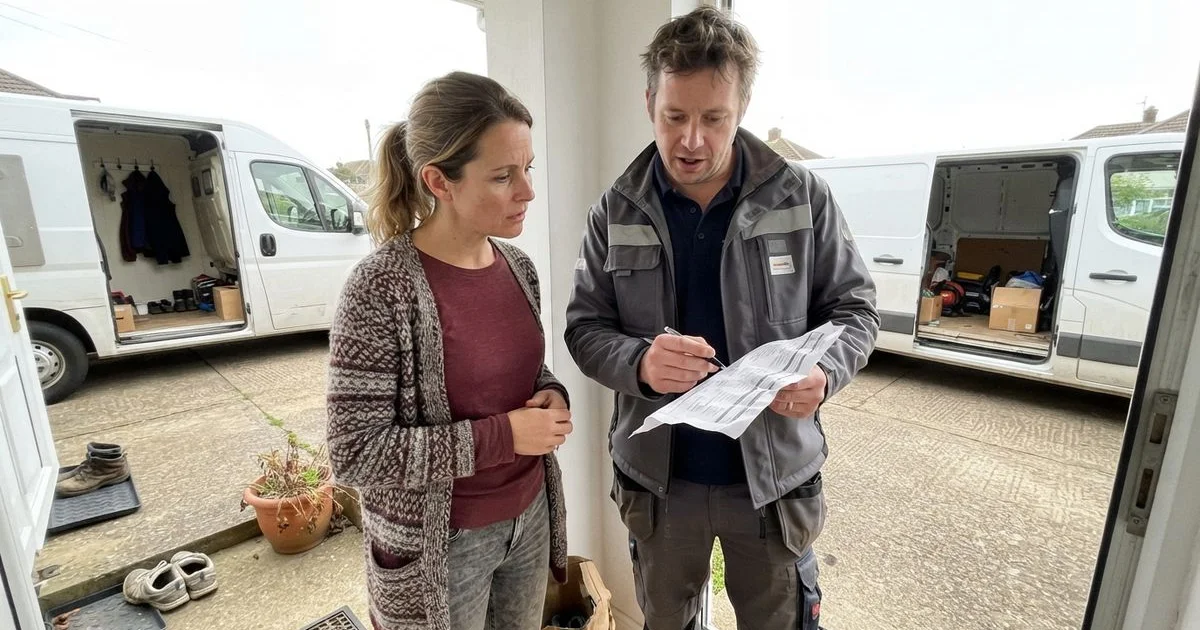
Most hoarding situations develop slowly, which is exactly why it can be hard to recognize the moment one crosses into an actual emergency. Knowing the difference matters, because the right first move changes depending on what you are actually facing.
If anyone is in immediate danger, call 911 first. Everything below applies once that immediate danger, if any, has been addressed.
What separates an emergency from a difficult situation
Most cluttered homes are a lifestyle and safety concern that can be addressed on a reasonable timeline. A smaller number cross into genuine emergency territory: exits fully blocked, a fire hazard from exposed wiring or flammable material, structural instability, or a situation where someone cannot reach a bathroom, bed, or exit safely. A municipal order declaring a property unsafe or condemned also puts you in emergency territory, with its own set of legal steps to follow.
| Signal | Emergency or manageable? |
|---|---|
| Rooms cluttered but pathways clear | Manageable, address on a normal timeline |
| One exit partially blocked | Manageable, but worth addressing soon |
| All exits blocked or fire hazard present | Emergency |
| Structural instability or municipal safety order | Emergency |
| Person unable to reach bed or bathroom safely | Emergency |
First steps if it is a genuine emergency
Call 911 if there is any immediate danger to life or safety. Once that is addressed, and if a municipal order or condemnation is involved, follow the instructions from the city or fire department directly, since there may be legal restrictions on when and how anyone can re-enter the property.
Do not attempt to clear a genuinely unsafe space yourself. Structural risk, fire hazards, and blocked exits are exactly the conditions where DIY effort adds real risk rather than reducing it.
If a pet or family member cannot safely stay in the property during this period, arrange somewhere for them to go before anything else. Emergencies like this often mean a period of temporary displacement, and having a plan for where people and animals will stay reduces one major source of stress while the rest gets sorted out.
Once the immediate danger is addressed
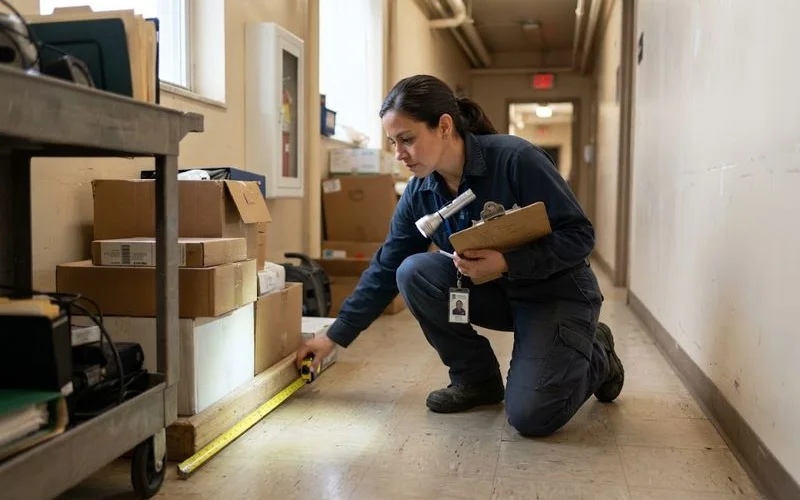
After emergency services and any municipal requirements are handled, the next step is usually contacting a provider experienced with 24/7 emergency response situations. These crews are set up to move quickly, often on short notice, and to work within whatever legal or safety restrictions apply to the property. This is different from a routine hoarding cleanup booked weeks in advance, both in urgency and in how the job needs to be scoped.
Be ready to describe the situation honestly, what triggered the emergency, whether authorities are involved, and any known hazards, so a provider can plan appropriately before arriving. It also helps to have photos of the affected areas if it is safe to take them, since this gives a crew a clearer picture before they arrive on site and can speed up how quickly they are able to scope and start the job.
What documentation to keep along the way
Emergencies tend to generate paperwork fast: fire department reports, municipal orders, insurance claim numbers, and any written instructions from authorities. Keep copies of everything, even if it does not seem relevant in the moment. If the situation later involves an insurance claim or a dispute over what happened, having a clear paper trail from the start makes that process considerably easier.
After the immediate crisis
Once the emergency itself is resolved, take time before rushing into a full cleanup decision. Emergency situations are stressful enough that people often make hasty choices they reconsider later. If the underlying situation involves a family member’s ongoing hoarding, this is also a reasonable moment to start thinking about longer-term support, not just the immediate fix. If the property ultimately needs to be listed rather than lived in again, hoarding cleanup before selling your house covers how to sequence that kind of cleanup.
Give yourself, and anyone else affected, a bit of grace during this stretch. Fatigue and adrenaline from handling an emergency can make even simple decisions feel harder than usual, and that is a normal response, not a sign anything is being handled poorly.
For a look at how emergency-response providers in this directory are rated on speed and reliability, see our methodology page, or browse the full directory once the immediate situation is under control.
FAQ
- What actually counts as a hoarding emergency?
- Blocked exits, exposed fire hazards, structural instability, an inability to reach a bathroom or bed, or a health crisis affecting someone in the home are the clearest signs a situation has moved from a lifestyle issue to an emergency.
- Should I call emergency services or a cleanup company first?
- If there is an immediate danger to life or safety, such as a fire risk, medical emergency, or structural collapse concern, call 911 first. A cleanup provider comes after the immediate danger is addressed, not before.
- What if the home has been condemned or declared unsafe by the city?
- In that case, follow the municipality's instructions first, since there may be legal restrictions on entry or specific requirements before any cleanup can begin.
- Can a family member force an emergency cleanup on someone who does not want it?
- Generally no, except in genuine safety emergencies where authorities are involved. Outside of that, forcing a cleanup without consent tends to cause serious harm to the relationship and is best avoided where safety allows for a more collaborative approach.