How to help an aging parent who hoards, without taking over their life
By Amara Whitfield · Updated 2026-06-13
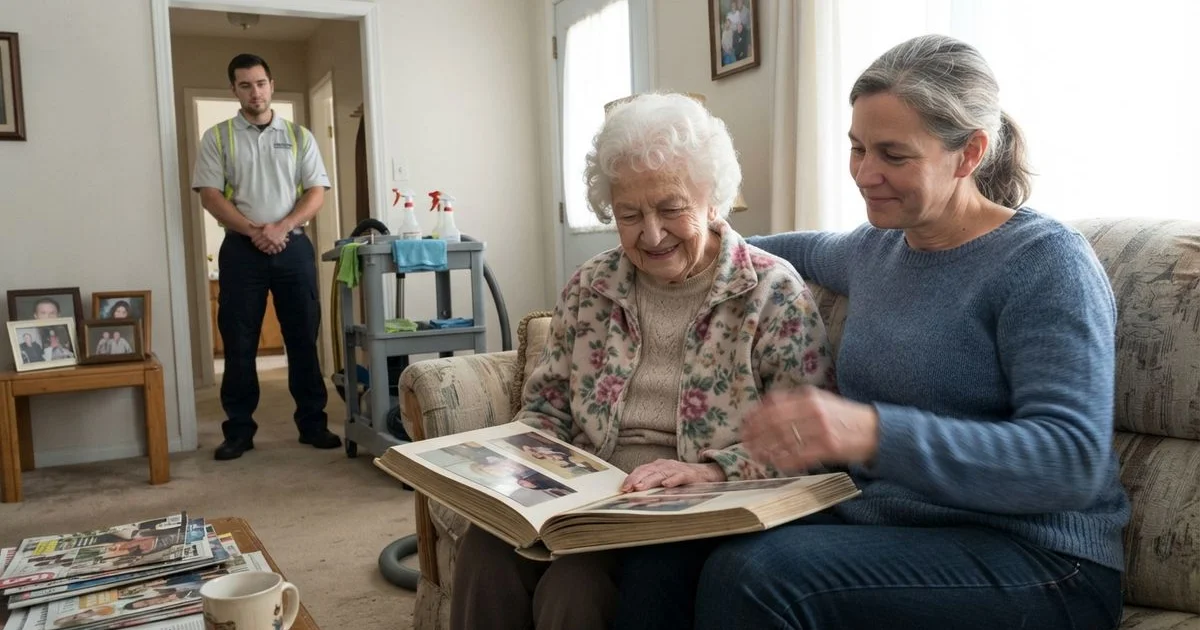
Watching a parent’s home fill up with belongings they cannot part with is hard to sit with, and harder still to know what to do about. The instinct to fix it fast is understandable, but the approach that actually helps usually looks slower and more patient than most people expect.
This guide offers practical, general suggestions. It is not a substitute for advice from a doctor, social worker or mental health professional, who can assess your parent’s specific situation.
Start by understanding, not fixing
Hoarding in older adults is often tied to hoarding disorder, a recognized condition involving genuine distress at the idea of discarding possessions, not stubbornness or carelessness. Sometimes it also connects to grief, cognitive changes, or isolation, especially if it developed or worsened after a loss. Understanding what is actually driving the behaviour changes how you approach it, and it usually means slowing down rather than rushing toward a solution.
Removing belongings without your parent’s involvement, even with good intentions, is one of the most common mistakes families make. It tends to cause real distress and can damage the trust you need for any long-term progress. Whatever you do, doing it with your parent rather than to them makes a meaningful difference.
Siblings and other family members do not always agree on how urgently to act, and that disagreement can become its own source of tension. Where possible, try to get family on the same page about pace and approach before anyone talks to your parent, since mixed messages from different family members tend to make an already difficult conversation harder.
Separating safety concerns from everything else
Not every cluttered home needs to become an emergency. Try to separate genuine safety hazards from things that are simply uncomfortable to look at.
| Level | Examples | Suggested pace |
|---|---|---|
| Lifestyle concern | Clutter that is unsightly but not dangerous | Take time, involve your parent fully |
| Safety concern | Blocked exits, tripping hazards, exposed wiring | Address sooner, still with your parent’s input where possible |
| Emergency | Structural risk, inability to reach a bed or bathroom, fire hazard | Act quickly, safety takes priority |
If you are dealing with an emergency-level situation, safety has to come first even if it means moving faster than your parent is emotionally ready for. For anything short of that, patience genuinely produces better outcomes than urgency.
Having the conversation
Frame it around care and safety, not judgment. Something like naming what you have noticed, saying you are concerned, and asking how you can help tends to land better than criticism of the clutter itself. Expect some defensiveness. That is a normal response to feeling exposed, and it does not mean the conversation failed. For more on how to open and sustain this kind of conversation, see talking to a loved one about hoarding.

When professional help makes sense
At some point, the situation may go beyond what family can manage alone, either physically, emotionally, or both. A compassionate, discreet provider experienced with hoarding situations can bring both the physical capacity and the patience the job needs, and involving one does not mean you have failed as a family. It often means recognizing the limits of what you can reasonably do yourselves.
Reviewers across this directory consistently mention crews who take time to build trust with an older client rather than rushing the process, which matters enormously in these situations. A provider willing to make more than one visit, and to let your parent set some of the pace, is generally a better fit than one focused purely on speed.
Taking care of yourself too
Supporting a parent through this is genuinely exhausting, and it is common to feel frustration, guilt, or grief alongside the practical work. None of that means you are doing it wrong. Whether it is talking to friends, a counsellor, or a support group for families dealing with hoarding, getting your own support matters as much as anything you do for your parent.
To see how providers in this directory are rated on patience and communication with families, visit our methodology page, or browse the full directory to compare options in your area.
FAQ
- Should I just clean my parent's home while they are out?
- This is generally discouraged. Removing belongings without a hoarding parent's involvement often causes significant distress and can damage trust, even when it comes from a good place. Involving them in decisions tends to work better long term.
- How do I know if the situation is a safety emergency?
- Blocked exits, exposed electrical hazards, structural strain from weight, or an inability to reach a bathroom or bed are signs the situation has moved from a lifestyle concern to a safety one that needs faster action.
- Will my parent be angry if I bring this up?
- It is possible, and that is a normal reaction to feeling judged or exposed. Framing the conversation around care and safety rather than criticism tends to reduce defensiveness, though it will not eliminate it entirely.
- Is it normal to feel exhausted or resentful while helping?
- Yes. Supporting a parent through this is genuinely draining, and those feelings do not mean you are failing. Getting your own support, whether from friends, a counsellor or a support group, matters as much as supporting your parent.