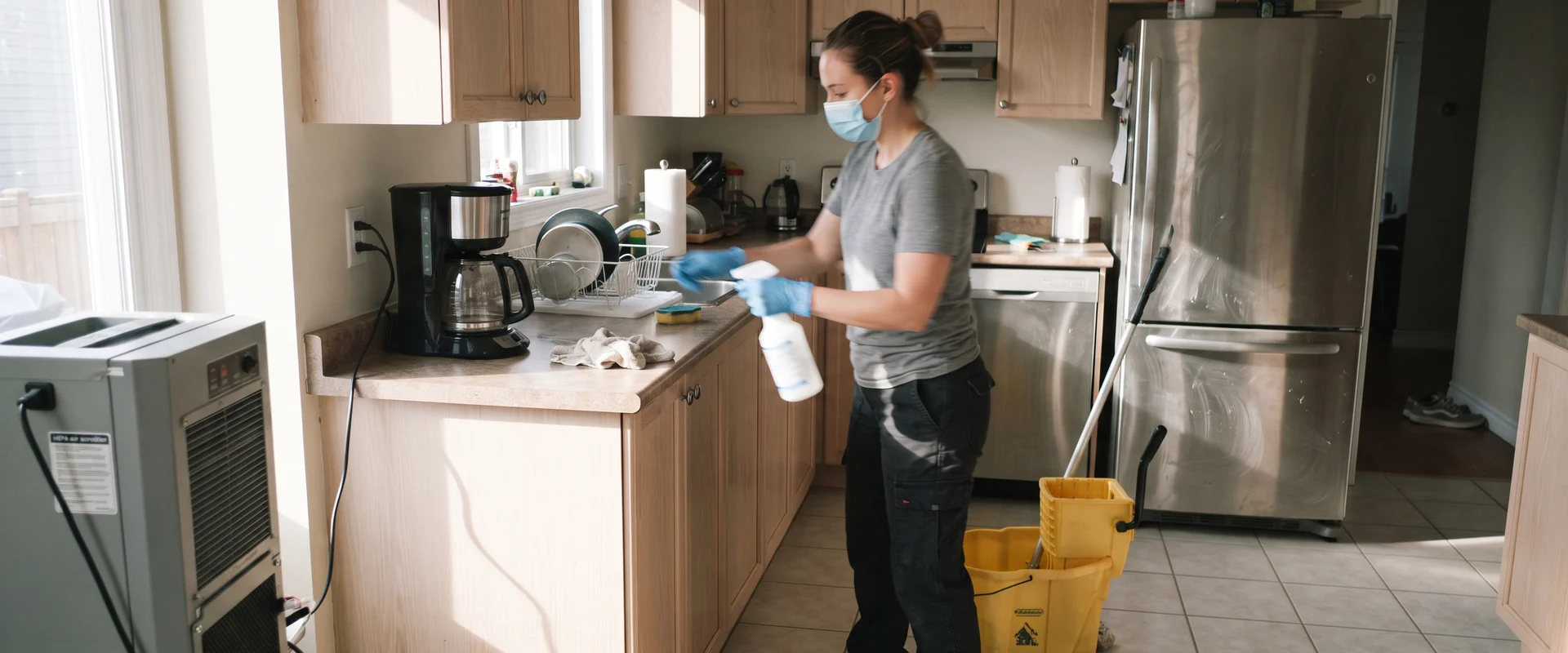
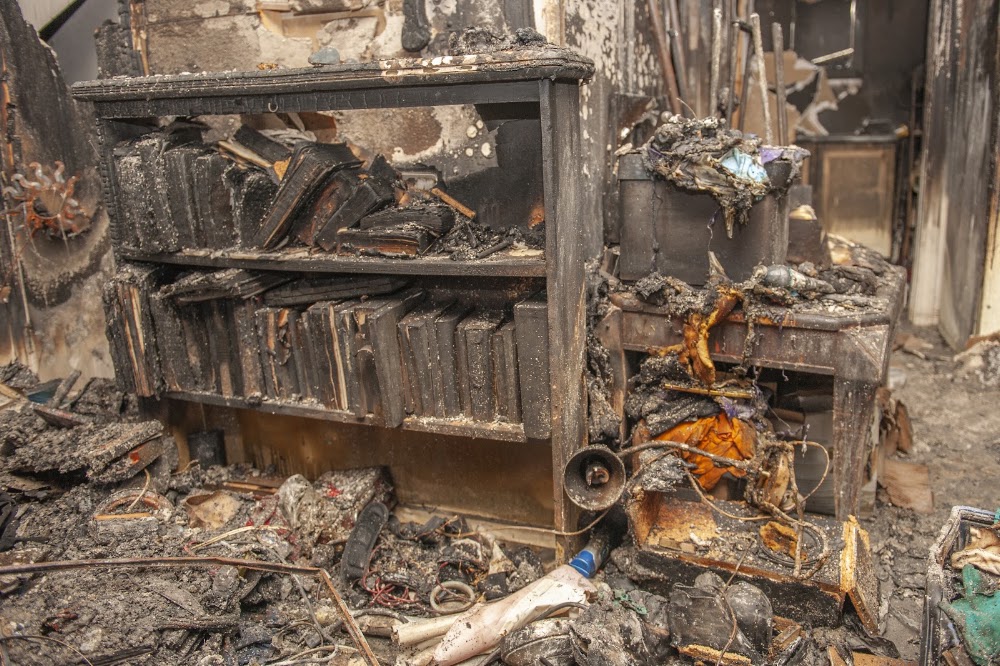
Deep sanitizing and disinfection is usually the last stage of a hoarding cleanup, after bulk debris and unsalvageable items have been removed. This is the work that makes a home livable again: treating surfaces contaminated by mold, pest waste, urine, feces, rotted food, or other biohazards that build up in severely cluttered spaces. It typically includes enzymatic or hospital-grade disinfectant application, odor neutralization (not just masking), HEPA vacuuming, and sometimes fogging or ozone treatment for airborne odor and mold spores. In cases involving bodily fluids or dead animals, crews should follow biohazard handling protocols and use proper PPE.
Kingston has 5 companies offering this service, and quality varies more than people expect. A buyer should ask what disinfectant products are used and whether they're effective against mold and bacteria specifically, whether the crew tests air quality or surfaces afterward, how they handle soft materials like carpet and drywall that may need removal rather than treatment, and whether the price includes odor treatment or is billed separately. Get a written scope before work starts.
Our scoring weighs licensing, documented biohazard training, equipment used, and how clearly companies communicate scope and pricing. For the full ranked breakdown, see the best hoarding cleanup companies in Kingston, and for how we arrive at these rankings, read our methodology.